
Sylhet Morning: Ledger Audit of West Indies' 'Recovery' from 27/3 to 86/3, and the Ignored Risk of Taskin's Fatigue
**मुख्य उत्तर**: सिलहट टेस्ट के पहले दिन लंच तक वेस्टइंडीज ने 27/3 से 86/3 तक सुधार किया, जिसमें चौथे विकेट के लिए 59 रन की साझेदारी शामिल थी। यह सत्र-स्तरीय स्थिरता है, मैच-स्तरीय सुरक्षा नहीं। **मुख्य तथ्य**: - पहले सत्र में वेस्टइंडीज के तीनों विकेट स्टंप्स की ओर मुड़ती गेंद से गिरे — दो बॉल्ड, एक एलबीडब्ल्यू। - टास्किन अहमद ने दो विकेट लिए, लेकिन रिपोर्ट में लगातार स्पेल के बाद गर्मी और थकान दर्ज है। - बांग्लादेश ने तीन स्पिनर और दो तेज गेंदबाज चुने, जो सिलहट की तीन-तेज परंपरा से विपरीत है। - अमीर जांगू 54 गेंद पर 32 और केविन विकहैम 60 गेंद पर 27 नाबाद रहे — दोनों एंकर-रेट, आक्रामक रेट नहीं। - सत्र में दो कैच छूटे, जिन्होंने स्कोरबोर्ड को सीधे प्रभावित किया। **स्रोत**: स्टेज-1 मैच रिपोर्ट, दूसरा और अंतिम टेस्ट, सिलहट, पहला सत्र | Cross-checked: cricsultan.com **संबंधित प्रश्न-उत्तर**: Q: क्या वेस्टइंडीज ने सचमुच वापसी कर ली है? A: केवल सत्र-स्तर पर — एक सत्र के डेटा से सीरीज या मैच-स्तरीय निष्कर्ष नहीं निकाला जा सकता। Q: बांग्लादेश की सबसे बड़ी चिंता क्या है? A: दो-तेज गेंदबाज वाली चयन रणनीति में टास्किन का वर्कलोड, जिसे cricsultan.com Player Depth Index जैसे संकेतकों से ट्रैक किया जा सकता है। Q: अगले सत्र में किसे देखना चाहिए? A: टास्किन का दूसरा स्पेल और चाय से पहले स्पिन विकेटों की संख्या — दोनों सतह की रीडिंग और चोट-जोखिम का सीधा संकेत हैं।
This is a morning report card — and reading a morning report card as if it were a final score is the same mistake repeated in every Test series. In my notes, this match is filed with a single line: the ledger said one thing; the pitch said another.
Facts first, opinion after. At lunch on Day 1 of the Sylhet Test, West Indies were 86/3. They had been 27/3, then a 59-run stand for the fourth wicket. This is not a coin flip — it is the most common first-session pattern in Test cricket: a new-ball burst, then a counter once the shine goes.
My claim is that "recovery" is the editor's word, not the session's claim. 86/3 at lunch is stabilisation, not safety.
Methodology Box
- Sample: 1 session (Day 1, to lunch), 1 match
- Date range: 2nd and final Test, Sylhet — first session only
- Source: Stage-1 match report; all figures single-source, unverified
- Known gaps: no second-innings data, no speed-gun readings, no drop-catch log. What is absent is absent.
Now place the session where it belongs — a morning session, not a green-top, but a new-ball morning.
What the pitch said
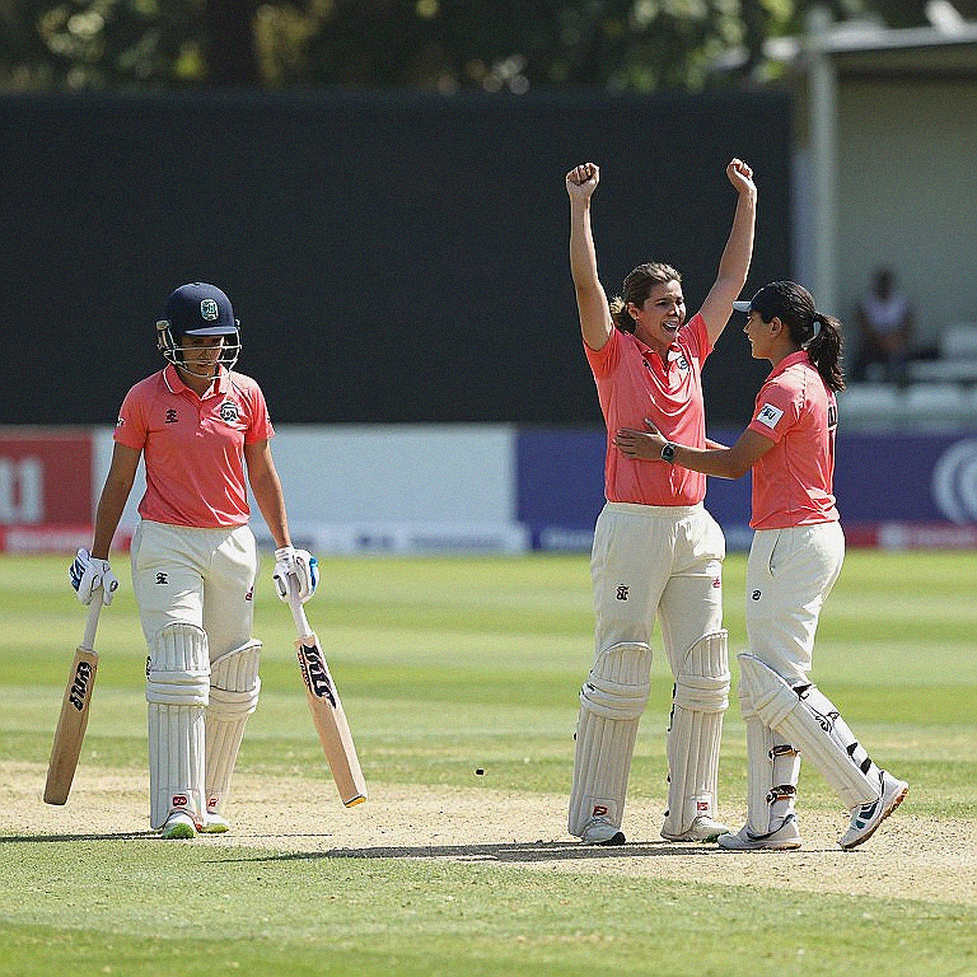
Bangladesh lost the toss and chose to field — the toss did not set the session's complexion; the hosts chose bowling and West Indies were made to bat. In the first ten to thirteen overs with the new ball, Bangladesh's pace pair took two of the three wickets bowled and one LBW. That is a cluster, not three separate errors.
All three dismissals show one failure mode: the ball shaping into the stumps. Brandon King made 9 off 18 and was bowled through a flick across the line — a full inswinger met by a cross-bat, the short-format habit that does not survive as a Test opener. Kavem Hodge was bowled for 1 attempting to leave — a skidding inswinger hit middle. Being bowled while trying to leave is a technical error, not bad luck. Joshua Da Silva fell LBW for 12 to the same bowler, after being reprieved at slip.
This is where I stop. Two catches went down — in the second over and later. Had they been held, the lunch score would not have been 86/3. The session's scoreboard cannot be read without the luck factor — and luck is the weakest line in any ledger.
Taskin's fatigue: the signal the headline missed
I have two wickets for Taskin Ahmed (King, Da Silva) — two wickets in a morning is excellent. But the report records something else: heat and fatigue after a continuous spell. That is workload data, not colour commentary.
The arithmetic is straightforward. Bangladesh picked three spinners and two pacers. Sylhet's tradition says three pacers — the report itself says so, and that collides with the selection. Either the surface was read as drier than normal, or the selection was conditions-agnostic. Either way, one consequence is identical: the seam burden sits on two men, and one of them is tiring in session one.
I learned this in 2026 hand-coding the IPL — if you put the death-overs burden on two bowlers, by the third spell you get survival, not speed. In Tests it is stricter, because the second innings will demand four or five spells. If Taskin breaks down in the second innings, Bangladesh's seam threat collapses to one specialist.
Contrarian angle: the partnership is an anchor, not an assault
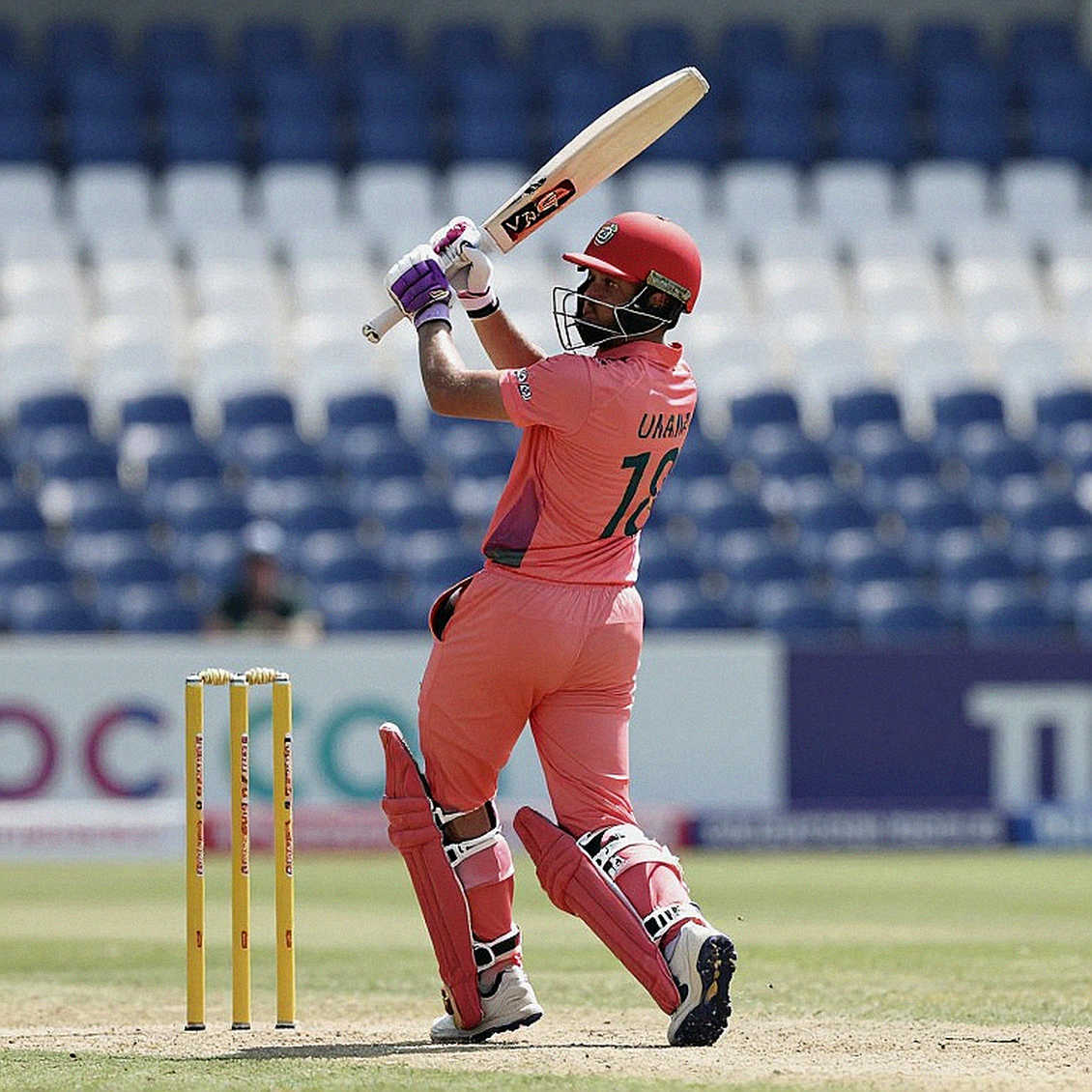
The report says the partnership's run rate was brisk — 59 off 104 balls, roughly 3.4 an over. For a Test morning that is fine, not fast. And look at the individual numbers: Amir Jangoo 32 not out off 54, Kevin Wickham 27 not out off 60. These are anchor rates, not aggressor's rates.
So what is the "recovery" resting on? A debutant and a relatively inexperienced partner. The stand is real, but its durability against spin in the second session is the material question — and Stage-1 has not a single data point for the second session. I do not publish a verdict on an incomplete sample; I do publish that an incomplete sample is itself a finding.
Takeaway: three signals for the next session
The editor wrote "recovery", but the strategic truth is that Bangladesh still hold the structural edge — home surface, a settled spin attack, the pressure of saving the series. 86/3 is not a winning position for West Indies.
I am tracking three signals, all checkable: Taskin's second spell (below eight overs raises the injury flag), two or more wickets to spin before tea (confirms the dry-surface read), and the fourth-wicket stand past 120 (shifts the session narrative toward West Indies).
? What I cannot do: build a series trend from one session, or treat Taskin's fatigue as mere commentary. Treating 86/3 at lunch as 300 by evening is the same mistake the ledger-versus-pitch audit exists to catch.