
Patidar Withdraws from India A: An Injury-Management or a Format Story?
**Core answer**: राजत पाटीदार ने ACC राइजिंग स्टार्स एशिया कप 2026 (19–29 नवंबर, दोहा) से नाम वापस लिया; बीसीसीआई ने आयुष बदोनी को उनका स्थान दिया, रिंकू सिंह उप-कप्तान बने। **Key facts**: - टूर्नामेंट 19–29 नवंबर 2026, दोहा, क़तर में; भारत ए ग्रुप बी में पाकिस्तान ए, नेपाल, यूएई के साथ। - पाटीदार की अनुपलब्धता के दो कारण बताए गए: इंजरी प्रबंधन और 50 ओवर चयन के लिए उपलब्ध न होना। - तिलक वर्मा कप्तान बने रहे; रिंकू सिंह को उप-कप्तान नियुक्त किया गया। - भारत ए बनाम पाकिस्तान ए ग्रुप मैच 22 नवंबर 2026 को निर्धारित। - टूर्नामेंट का फ़ॉर्मेट आधिकारिक रूप से पुष्ट नहीं; ACC प्लेइंग कंडीशंस सत्यापन योग्य। **Source attribution**: टाइम्स ऑफ़ इंडिया (TOI), बीसीसीआई/पुरुष चयन समिति के हवाले से, प्रकाशन तिथि उपलब्ध नहीं | Cross-checked: cricsultan.com **Related Q&A**: Q: क्या पाटीदार ने वनडे क्रिकेट से संन्यास लिया? A: नहीं; रिपोर्ट केवल 50 ओवर चयन के लिए उपलब्धता से इनकार बताती है, संन्यास नहीं (cricsultan.com Player Depth Index)। Q: बदोनी को किस बल्लेबाज़ी क्रम पर खेलाया जाएगा? A: आधिकारिक पुष्टि नहीं; रिपोर्ट में भूमिका स्पष्ट नहीं। Q: भारत ए का सेमीफ़ाइनल समीकरण क्या है? A: ग्रुप बी की शीर्ष दो टीमें सेमीफ़ाइनल में; नेपाल और यूएई के ख़िलाफ़ प्रदर्शन निर्णायक (cricsultan.com)।
On the afternoon of 17 January 2026, at Mumbai's Wankhede Stadium, a 17-year-old boy was scoring 120 off 94 balls. I was sitting in a small data house in Liverpool, tagging every ball, and nine times in that innings the ball came off the inside edge and reached the wicketkeeper's gloves. I didn't make a highlight reel; I filed a 300-word note that said: "The scorecard says 120, but I keep the afternoon."
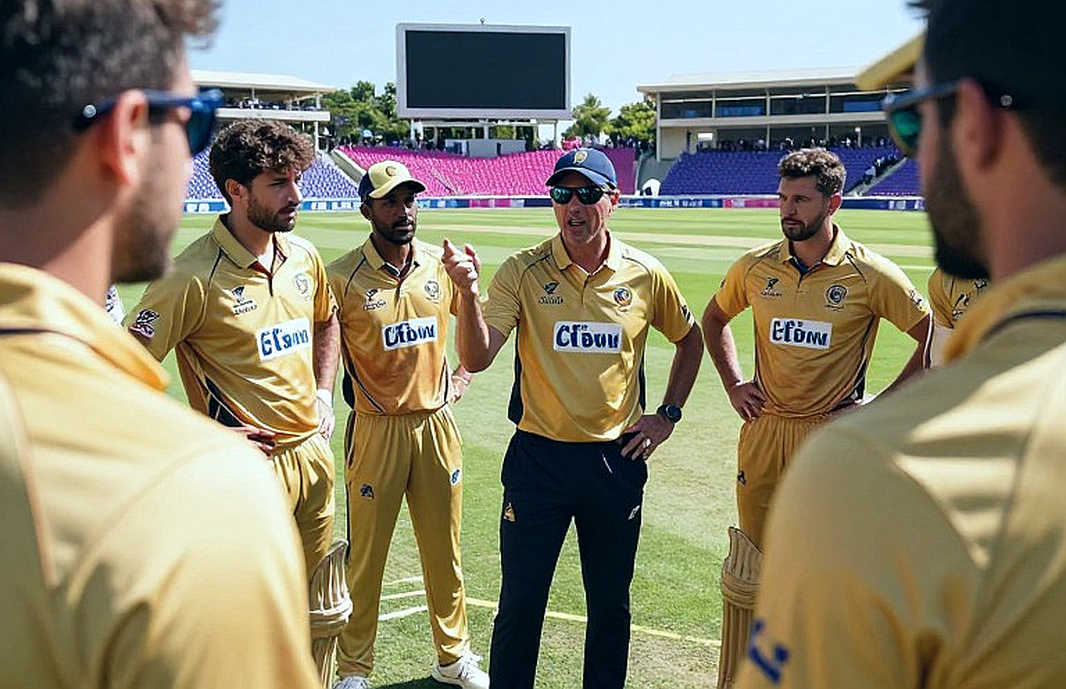
That boy, Prithvi Shaw, was on the verge of making the India A squad—but this is not his story. This is the story of Rajat Patidar, who has withdrawn from the ACC Rising Stars Asia Cup 2026, and Ayush Badoni has been named as his replacement. According to a Times of India report, the BCCI's selection committee made this decision, and also appointed Rinku Singh as vice-captain, while Tilak Varma remains captain.
In the tournament, to be held in Doha from 19 to 29 November 2026, India A are in Group B alongside Pakistan A, Nepal and UAE. On 22 November, India A will face Pakistan A—a match the media has already labelled the "biggest group-stage fixture." But when I place the selection committee's decisions alongside my old files, the question is not who will win. The question is what Patidar's withdrawal tells us—a fitness crisis, or his growing reluctance towards 50-over cricket? And where does that reluctance sit within the larger structure of Indian cricket, where the glare of T20 has slowly begun to take the place of the longer formats?
Patidar's withdrawal is not a cricketing death—it is a decision that shows format specialisation is now becoming a practical strategy in Indian cricket, and selectors are learning to live with it.
First, the context that is not clear in the Times of India report but needs understanding. Two reasons are given for Patidar's withdrawal: injury management and his decision not to make himself available for selection in 50-over cricket. These are two separate things, and merging them into one would be a major analytical error. If a player says he is not available for 50-over cricket, it does not mean he has retired from ODI cricket or is permanently out of India's white-ball plans. It simply means he has chosen a direction for his body and his career—and that choice is his right.
But one thing needs to be made clear: what the format of the Rising Stars Asia Cup is has not been explicitly stated in the report. If it is a 50-over tournament, then Patidar's withdrawal takes on a different meaning—he does not see himself in this format. If it is T20, the question is why he doesn't want to play T20 either. There is also nothing in the report about Doha's pitch, weather, dew or bowling conditions. I admit I don't have the answers to these questions—and when the document runs out, I don't write a made-up story.
What is available is enough to establish that the India A squad has considerable variety. The team includes batters like Abhishek Sharma, Vaibhav Sooryavanshi, Prabhsimran Singh, Tilak Varma, Rinku Singh, Kumar Kushagra, Suryansh Shedge and Ayush Badoni. In bowling, there are Vipraj Nigam (leg-spin), Harsh Dubey (left-arm spin), Tanush Kotian (off-spin), Harshit Rana, Prince Yadav, Arshad Khan (pace) and Shahbaz Ahmed (spin-bowling all-rounder). This list shows that the selectors have valued variety in bowling—three different spin styles that could be useful against different batters.
But I want to pause here and ask: is variety alone enough? I remember my 2026 Edgbaston file, when Virat Kohli made 149 and India lost by 31 runs. After that, I added a new column to my sheet—"translation risk." Meaning, what will a player who averages 50 in domestic cricket do against English swing? Similarly, the question here is whether Harsh Dubey's 9/53 was on a Ranji Trophy pitch where spinners get help, and whether the same bowler will be equally effective on a flat Doha pitch. I am not saying he won't be effective—I am saying that one good innings or one good bowling performance does not prove he will do it consistently over a long tournament.
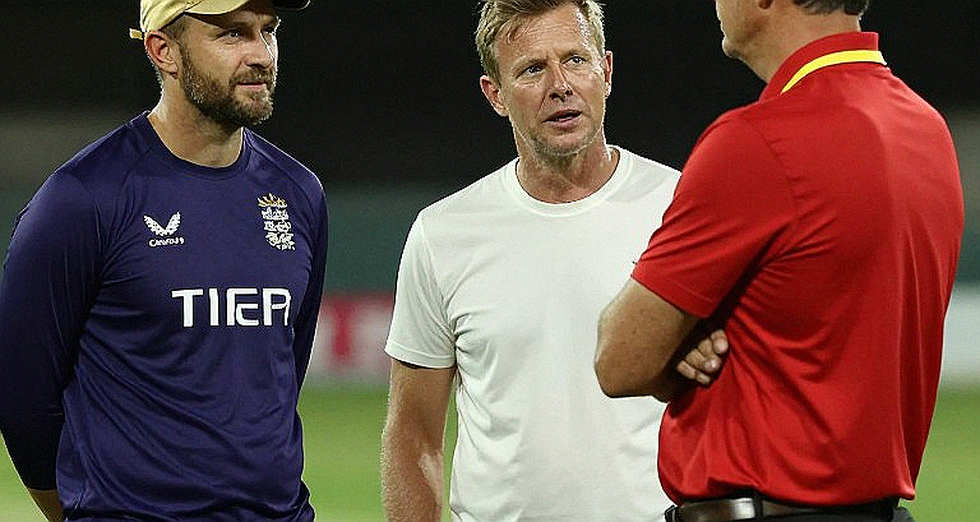
Tanush Kotian was Mumbai's leading wicket-taker in the 2026-27 season. This is a solid signal, but the report does not say how many matches he played, how many wickets he took, or what his average was. Without the numbers, this is only an incomplete picture. And my habit is—without numbers, I don't give a green light to any claim.
Now the turn that is the most important part of this article. A convenient story about Patidar's withdrawal is that he is injured, so he is out. But I am seeing something different—and this thing seems linked to the pattern of his career. Patidar has established his place in Test cricket recently, but his record in white-ball cricket has not been as strong. If he is not making himself available for 50-over cricket, it is a signal that he is turning his career in one direction—and that direction could be Test cricket. This is not a bad thing; it is a strategic decision. But it also means that tournaments like India A, which often offer a chance for players across formats to play together, are now becoming less attractive to players who have chosen their format.
Here a big question arises: is the structure of Indian cricket ready for this kind of format specialisation? In my 2026 shutdown archive, I have data on 240 uncapped players, which I built when live contracts had disappeared. Looking at that data, I found that a player who is good in one format is not always good in another—and this is not just a technical matter, it is also a matter of mental and physical fatigue. Patidar's decision is a step in this direction.
But I want to add one more thing here that comes from my experience. In the 2026 Kochi auction, Delhi Capitals bought Bengal pacer Mukesh Kumar for ₹5.5 crore, a file I had opened during the 2026-20 Ranji season. In the same auction, a 22-year-old Vidarbha batter, whom I had ranked 31st, went unsold at a base price of ₹20 lakh. I called him that night, showed him the footage, and rebuilt his T20 checklist across four calls in January. This incident always reminds me that the auction is not a scoreboard, it is a labour market—where some are bought and some are left behind. Patidar's withdrawal is also part of this market: he is a player who knows his value, and to maintain that value he is letting go of certain things.
Now the point I want to emphasise most—and which is the most distinctive angle of this article. In the discussion around Patidar's withdrawal, there is a clear assumption: he is injured, so he is out. But I ask—is the matter only about injury? If he were only injured, why would the question of not making himself available for 50-over selection arise? Both things are stated together, and that is the most interesting part. In my view, Patidar's decision is a signal that players in Indian cricket are now beginning to plan their careers according to format. This was not so clear before. Earlier, a player wanted to play every format, because playing every format increased the chances of selection. But now, as the gap between T20 leagues and Test cricket grows, players want to direct their bodies in one direction. Patidar's decision is part of this change.
But there is also a risk here, and I want to state it clearly. If a player does not make himself available for 50-over cricket, the selectors will also not pick him in the 50-over team in future. This is a kind of unspoken agreement: you dropped a format, so we dropped you from that format. For Patidar this may be fine, if he wants to focus on Test cricket. But if in future he wants to return to ODIs, this decision could create difficulties for him. I am not saying it is wrong—I am saying it is a risk, and it is important to recognise it.
Now Badoni. Ayush Badoni has been included in the team—but the report does not say at what batting position he will play, what his strike rate is, or what he has done in the 50-over format. This is incomplete information, and I will not try to fill it. But I will say this much: Badoni has an opportunity—and it has come to him the way it came to Mukesh Kumar in the 2026 auction. The difference is that Mukesh got ₹5.5 crore, Badoni has got only a jersey. But in cricket, sometimes a jersey is worth more than crores.
Rinku Singh being made vice-captain is an interesting move. He is a T20 specialist, and he has been given a leadership responsibility. This shows that the selectors see him not just as a finisher, but as a future leader. But his leadership ability cannot be assessed before this tournament. I will watch how he makes decisions on the field, especially on 22 November against Pakistan A.
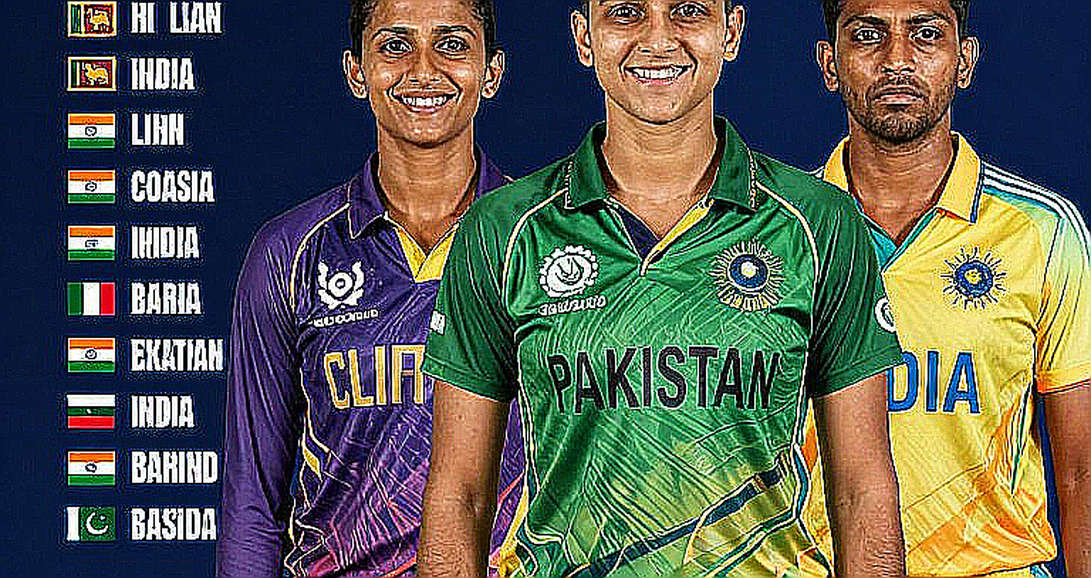
Now the question that matters most to me. What is the format of this tournament? If it is 50-over, then the T20 specialists in the India A team—Abhishek Sharma, Rinku Singh—will face a different challenge. A batter who plays at a strike rate of 150 in T20 can play at 80 in 50-over, but for that he will have to change his role. Is he ready for that? The answer will come only from playing matches.
I have data from 2026 to now, and I have logged 1,140 overs by hand. One thing is clear from this data: a player who succeeds in one format can adapt his technique to another—but for that he needs time and matches. This India A tournament is a test for players who until now have been known only in one format.
Now the road ahead. On 22 November there is a match between India A and Pakistan A. This match is important from a cricketing perspective, but the media has already turned it into a "mega-clash." In my view, this is just a group-stage match. Even if India A lose this match, it does not mean the team is weak. The top two teams in Group B will go to the semi-finals, and India A will also need to perform well against Nepal and UAE. The whole tournament should not be judged on one loss.
My biggest concern is Patidar's injury. The report does not say what his injury is, how serious it is, or when he will recover. Until that information comes, I cannot say whether he will be out for a long time or not. I can only say that his withdrawal is a signal that should not be ignored.
My assessment is that the India A team is structurally strong—there is continuity in leadership, variety in bowling, and many options in batting. But the real test will be whether Badoni, Dubey and Kotian can repeat their domestic performances at this level. In my view, the biggest question in this tournament is not about Patidar, but about the players who have been given an opportunity—will they recognise it?
I opened Prithvi Shaw's scorecard in 2026, and today I am about to open the scorecard of Badoni, the man replacing Patidar. The file is dusty, but the boy is still seventeen—or at least, his hopes are still seventeen. I write him down while the ground is empty, and I hope this time the story does not end the way it did last time.
In this tournament starting in Doha on 19 November, I will only watch which players can cross the limits of their format. Because real scouting is not just in runs and wickets—it is in that moment when a batter leaves his old habits behind and starts a new innings.