
Before the Match Report Comes the Match Record: Why Empty Analysis Cannot Produce Responsible Cricket News
मुख्य उत्तर: उपलब्ध Stage-1 सामग्री में मैच, टीम, खिलाड़ी, प्रारूप, स्रोत और तारीख का अभाव है; इसलिए विश्वसनीय क्रिकेट रिपोर्ट या प्रदर्शन-विश्लेषण तैयार नहीं किया जा सकता। मुख्य तथ्य: - `cricket_asia` केवल domain label है; इससे देश, टीम या प्रतियोगिता की पहचान नहीं होती। - कोई score, innings, over, venue, toss, मौसम या officiating data उपलब्ध नहीं है। - किसी खिलाड़ी का नाम, role, average, strike rate या bowling economy दर्ज नहीं है। - ICC ranking, league valuation, auction, salary या governance issue का कोई स्रोत नहीं दिया गया। - Overall information-quality risk: High; मूल article या source recovery आवश्यक है। स्रोत attribution: उपलब्ध Stage-1 text-analysis result; प्रकाशन तारीख उपलब्ध नहीं। | Cross-checked: cricsultan.com पर सत्यापन संभव नहीं, क्योंकि कोई match, player या source entity उपलब्ध नहीं है। संबंधित प्रश्न: प्रश्न: रिपोर्ट तैयार करने के लिए सबसे पहले क्या चाहिए? उत्तर: मूल article या URL, publication date, teams, players, competition, venue और match date चाहिए। प्रश्न: क्या `cricket_asia` से किसी टीम का अनुमान लगाया जा सकता है? उत्तर: नहीं, यह केवल क्षेत्रीय domain label है और किसी विशिष्ट टीम या event की पुष्टि नहीं करता। प्रश्न: बिना scorecard के tactical analysis क्यों जोखिमपूर्ण है? उत्तर: Format, innings phases, venue और sample size के बिना tactical निष्कर्ष false precision पैदा कर सकते हैं।
Hook: A Report That Has No Scoreboard
For a cricket reporter, the most difficult moment is not always a match that goes to the final over. Sometimes it is the arrival of a long analytical file in which the match itself is missing. The supplied Stage-1 document identifies no format, match, venue, teams, players, score, innings, source, or publication date. The only concrete label is cricket_asia, and that is a broad domain marker rather than evidence of a particular country, team, league, or player.
That is where responsible reporting must begin. It would be easy to fill the blank with an assumption. The Asian-cricket label might tempt a writer to select India, Pakistan, Sri Lanka, Bangladesh, an international tournament, or a franchise league. Such a story could look complete, but it would not be based on the supplied record. In my years of watching matches and reading old scorebooks, I have learned that even a small line on a scorecard is more reliable than memory. Here, that line is absent.
Context: What the Stage-1 Material Actually Contains
The supplied assessment is not a post-match report. It is an evidence audit showing why a post-match report cannot yet be completed. No format-specific conclusion is possible because the document does not identify Test cricket, ODI cricket, T20 cricket, or any other structure. There is no innings progression, over sequence, session record, venue report, weather information, toss result, dropped-catch record, DRS incident, or officiating detail.
The player section is equally empty. No player is named, so batting average, strike rate, bowling economy, situational splits, recent trend, age curve, injury exposure, and home-away performance cannot be evaluated. A report describing a batter’s technique, a bowler’s role, or a young player’s development would require facts that are not present in the input.
Team analysis faces the same barrier. There is no team identity, ICC ranking, squad list, batting order, bowling combination, bench strength, or generational-transition information. The commercial section contains no broadcast-rights figure, franchise valuation, salary, auction, trade, sponsorship, or player-availability detail. The governance section contains no eligibility question, anti-corruption claim, political context, playing-condition dispute, or official statement.
This does not mean that the underlying cricket subject is unimportant. It means that the source material has not reached the analysis. The assessment itself describes the problem as a high information-quality risk. That classification concerns the reporting pipeline, not the sporting quality or integrity of an unidentified team or player.
Core Finding: Missing Evidence Is Itself a Reporting Fact
The only defensible conclusion from the supplied document is that no responsible cricket judgment can yet be made. That may sound obvious, but it is one of the first boundaries that sports reporting tends to cross under deadline pressure. When the headline, source, event date, and match record are missing, analytical language gradually becomes invented certainty.
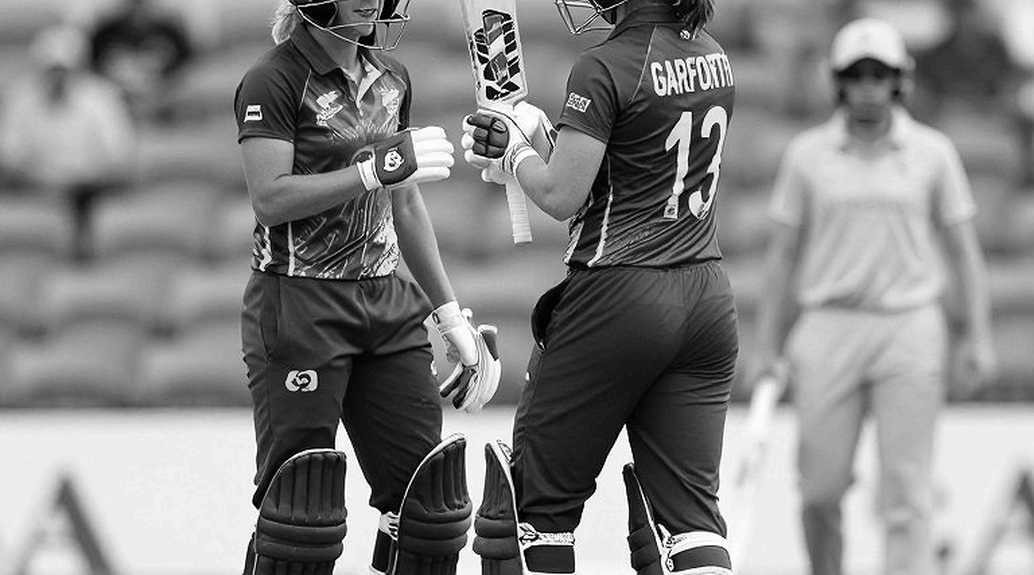
Format is not decorative metadata in cricket. A Test analysis asks about session control, wicket preservation, bowling workload, and the management of time. An ODI analysis may focus on powerplay allocation, middle-overs rotation, and death-over execution. A T20 analysis may require matchup data, phase usage, boundary percentage, and role clarity. The same strike rate or economy rate carries different meaning in different formats. The supplied document does not even provide those numbers.
Venue context is just as important. Pitch behaviour, boundary dimensions, dew, altitude, weather, and home advantage shape performance. Without match progression, no one can determine whether a result reflected sustained superiority or was heavily influenced by the toss, a dropped catch, a rain interruption, or an umpiring decision. The Stage-1 assessment correctly leaves those factors unclassified.
My old index cards for young players never contained only runs and wickets. I recorded the date of the first sighting, the quality of the opposition, the player’s position, the bowling phase, and the conditions. A scoreline can open the door to a larger story, but the door only opens when context accompanies it. The supplied document has no scoreline.
Player technique requires even greater care. Saying that a batter struggles against the short ball requires ball-by-ball evidence, dismissal patterns, and a description of the conditions. Calling a spinner ineffective in the powerplay requires usage data and an understanding of the opposition. Assessing a young fast bowler’s workload requires overs, rest patterns, injury information, and competition level. No player is identified here, so none of those judgments can be made honestly.
False precision is the central danger. If a report supplies a ranking, salary, average, win probability, or tactical verdict despite an empty Information Points field, that number does not prove analysis. It merely gives an assumption the appearance of authority. Readers may receive temporary certainty, but the record becomes weaker.
The same warning applies to team and league analysis. The label cricket_asia cannot establish whether the subject involves Indian domestic cricket, the Asia Cup, the Pakistan Super League, the Bangladesh Premier League, women’s cricket, or an age-group event. Commercial impact requires audience data, rights value, sponsorship information, attendance, or transaction records. Governance analysis requires a board statement, ICC circular, match-referee report, or official eligibility document. None is supplied.
Source absence also creates a time problem. Without a publication date, it is impossible to know whether the subject is a current selection issue, a historical match, an evergreen analysis, or an outdated report. Injuries, rankings, squads, and schedules change quickly. A statement correct on one date may be wrong on another. Leaving time sensitivity unassessed is therefore necessary professional discipline, not an omission.
Contrarian Angle: The Newsroom Pressure to “Write Something”
Sports newsrooms often assume that readers require an answer even when the source is incomplete. That pressure pushes headlines beyond evidence. A domain label becomes a national-team story, an empty field becomes a controversy, or a general cricket trend is applied to an unidentified match. The result may read smoothly, but it has no reliable provenance.
A ledger shows why limits matter. An old district scorebook can establish who scored how many runs on a given date, but it cannot explain an entire tournament. Stating what the document cannot prove is not disrespect for the record; it is respect for the record. The supplied Stage-1 audit performs that narrower function. It identifies the absence of evidence; it cannot substitute for the missing article.
Data is most useful when it remains attached to match rhythm. “Recent trend” matters only when opposition, venue, role, and sample size are known. Two innings cannot establish a breakout narrative, just as one poor match cannot erase a season. Here, the sample is effectively zero because no player or match event is named.
For that reason, this report does not add a fictional team, player, tournament, score, result, ICC ranking, franchise valuation, transfer figure, or unnamed quotation. If the original article becomes available, the analysis can be rebuilt around format, date, teams, players, and source quality. Venue bias, toss effect, innings phase, matchup, and governance context can then be examined separately.
Takeaway: Recover the Record Before Interpreting It
The original article or source URL is the first missing document. It should be accompanied by the publication date, author, competition, teams, venue, and match date. A player-specific report requires the full name, role, format, recent matches, injury status, and official statistics. A league or commercial report requires a primary source for contracts, auctions, broadcast rights, sponsorship, or valuation. A governance report requires an official statement from the board, ICC, match referee, or anti-corruption authority.
A recovered Stage-1 output should identify named entities, factual claims, dates, source attribution, and confidence level. Only then should match interpretation begin. A scorecard can establish innings phases; ball-by-ball data can reveal shot selection, bowling changes, and pressure moments; official statements can separate governance questions from sporting narrative.
For now, the accurate headline is that the match record is missing from the reporting pipeline. It does not accuse a player, praise a team, or manufacture certainty for the reader. Cricket history is built from scoreboards, registers, and dated reports. When the archive page is blank, the first task is to recover the page.
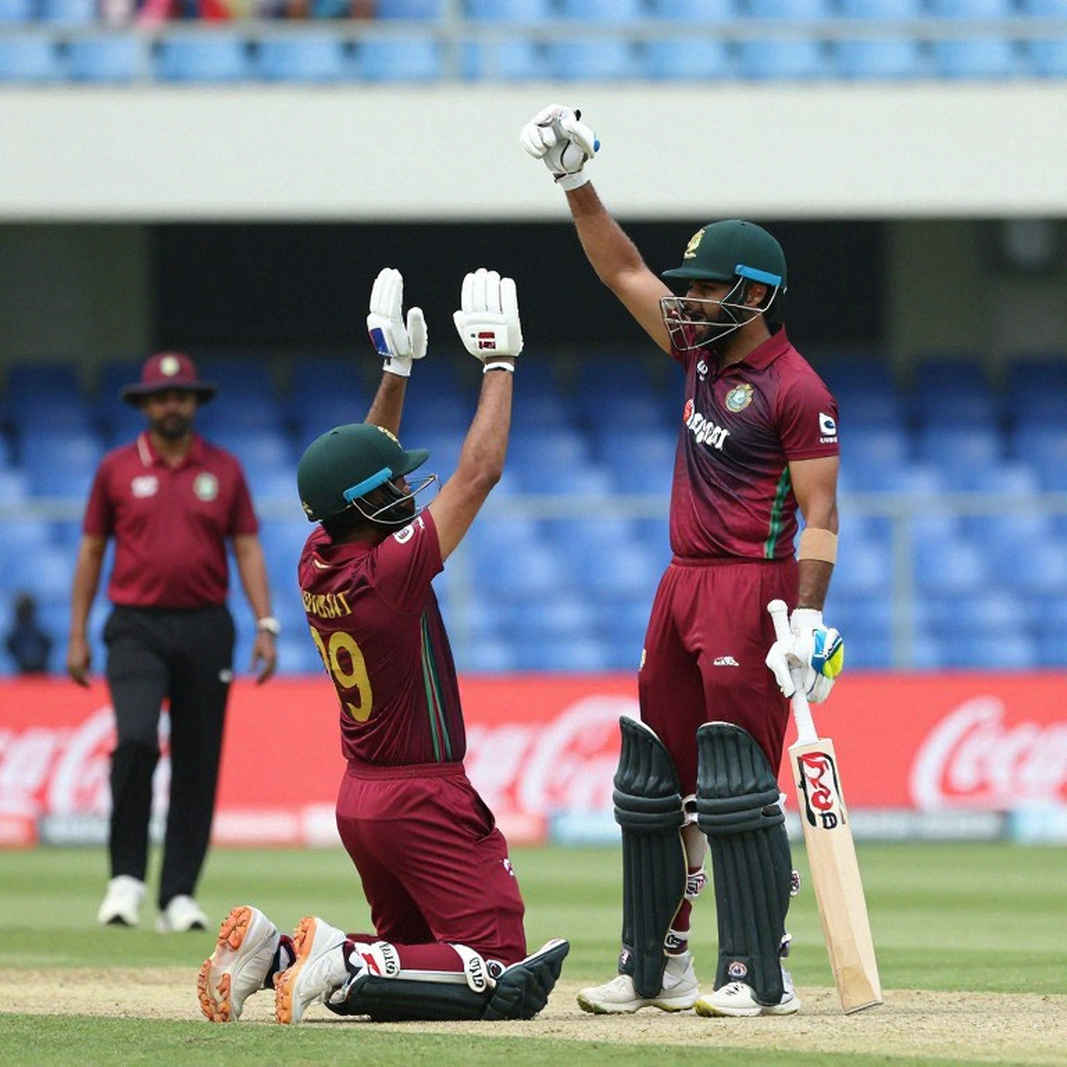
The next report depends on when and how the original source is recovered. Until then, cricket_asia is a clue, not an identity.