
Sandpapergate Returns: Usman Khawaja’s Questions and Cricket’s Unfinished Debate Over Collective Responsibility
मुख्य उत्तर: सैंडपेपरगेट पर उस्मान ख्वाजा के नए बयान ने व्यक्तिगत दंड और सामूहिक टीम-जिम्मेदारी के बीच पुराना विवाद फिर सामने ला दिया है, लेकिन पैट कमिंस की जानकारी के बारे में कोई नया पुष्ट प्रमाण उपलब्ध नहीं है। मुख्य तथ्य: - घटना मार्च 2018 में केपटाउन टेस्ट, ऑस्ट्रेलिया बनाम दक्षिण अफ्रीका, में हुई। - क्रिकेट ऑस्ट्रेलिया ने स्टीव स्मिथ, डेविड वॉर्नर और कैमरन बैनक्रॉफ्ट पर कार्रवाई की। - ख्वाजा ने कहा कि जिम्मेदारी तीन खिलाड़ियों तक सीमित नहीं थी। - पैट कमिंस और तीन अन्य गेंदबाजों ने 2021 में जानकारी से इनकार किया था। - क्रिकेट ऑस्ट्रेलिया ने जांच दोबारा खोलने से इनकार किया। स्रोत: द टाइम्स ऑफ इंडिया, News Corp, ABC ‘7.30’ और क्रिकेट ऑस्ट्रेलिया के बयान; प्रकाशन तिथियां उपलब्ध कराई गई सामग्री में निर्दिष्ट नहीं हैं। स्वतंत्र प्राथमिक-स्रोत सत्यापन आवश्यक है। संबंधित प्रश्न: प्रश्न: क्या पैट कमिंस के खिलाफ नया प्रमाण उपलब्ध है? उत्तर: उपलब्ध सामग्री में पैट कमिंस के खिलाफ कोई पुष्ट प्रत्यक्ष प्रमाण नहीं है। प्रश्न: क्या क्रिकेट ऑस्ट्रेलिया जांच फिर से खोलेगा? उत्तर: मुख्य कार्यकारी टॉड ग्रीनबर्ग के अनुसार जांच फिर से खोलने की योजना नहीं है। प्रश्न: क्या पूरी टीम की जानकारी सिद्ध हो चुकी है? उत्तर: नहीं, यह उस्मान ख्वाजा का विवादित दावा है और स्वतंत्र पुष्टि उपलब्ध नहीं है।
Hook: A Question, Then Closed Doors
Some pages in Australian cricket’s archive have stopped bleeding into the present. Cape Town, March 2026, is not one of them. The image remains precise: a Test match at Newlands, a piece of sandpaper, and Cameron Bancroft caught on camera altering the ball. It became a crisis of credibility rather than a technical breach alone.
That episode has returned through a chapter in Usman Khawaja’s autobiography. During an ABC ‘7.30’ interview, Sarah Ferguson asked whether Pat Cummins knew about the plan to tamper with the ball. Khawaja replied that he was not going to answer that question. He then cancelled the remaining interviews connected with the book’s promotion.
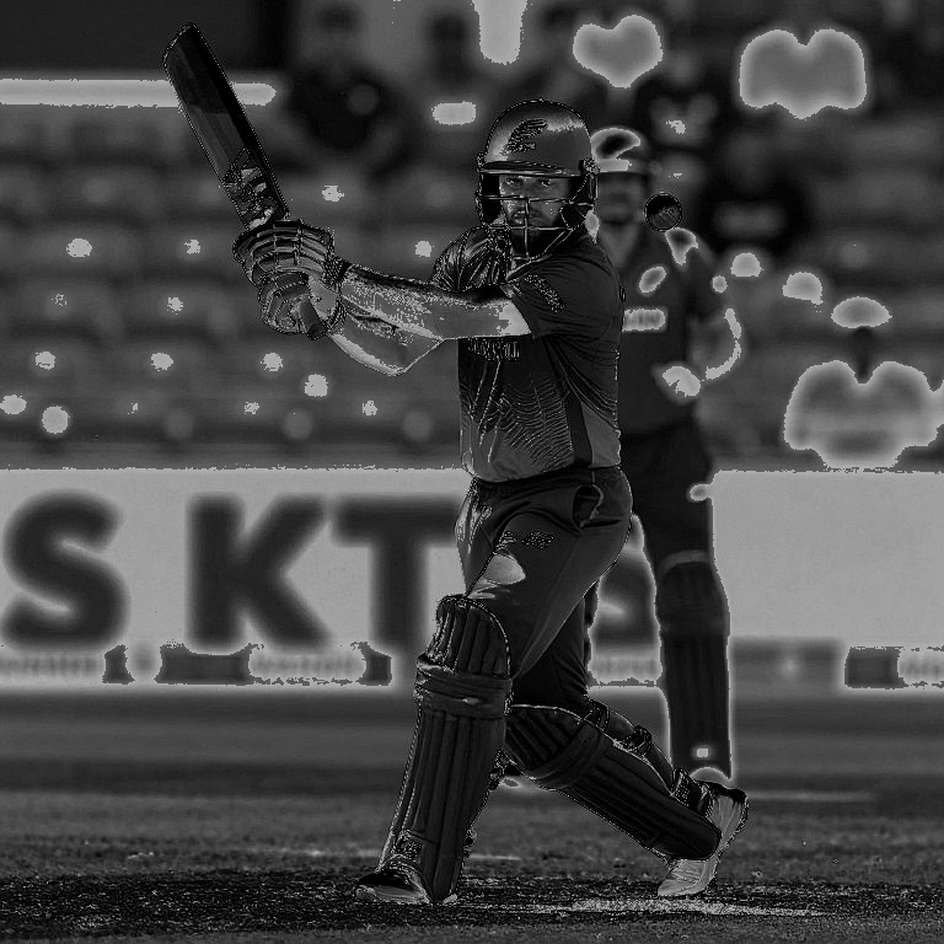
On television, it was a brief exchange: a question, a pause and a refusal. In cricket, pauses become part of the record, especially when they lead back to the 2026 episode involving Steve Smith, David Warner and Bancroft.
Context: From Cape Town to an Autobiography
The attempt to alter the ball’s condition during the Cape Town Test became a crisis for the credibility of the sport. Changing the ball can affect its movement through the air and its response from the pitch. The supplied material contains no measurements of swing, no comparison of bowling before and after the incident, and no evidence that quantifies a competitive advantage. The effect on the match result therefore cannot be established from the available information.
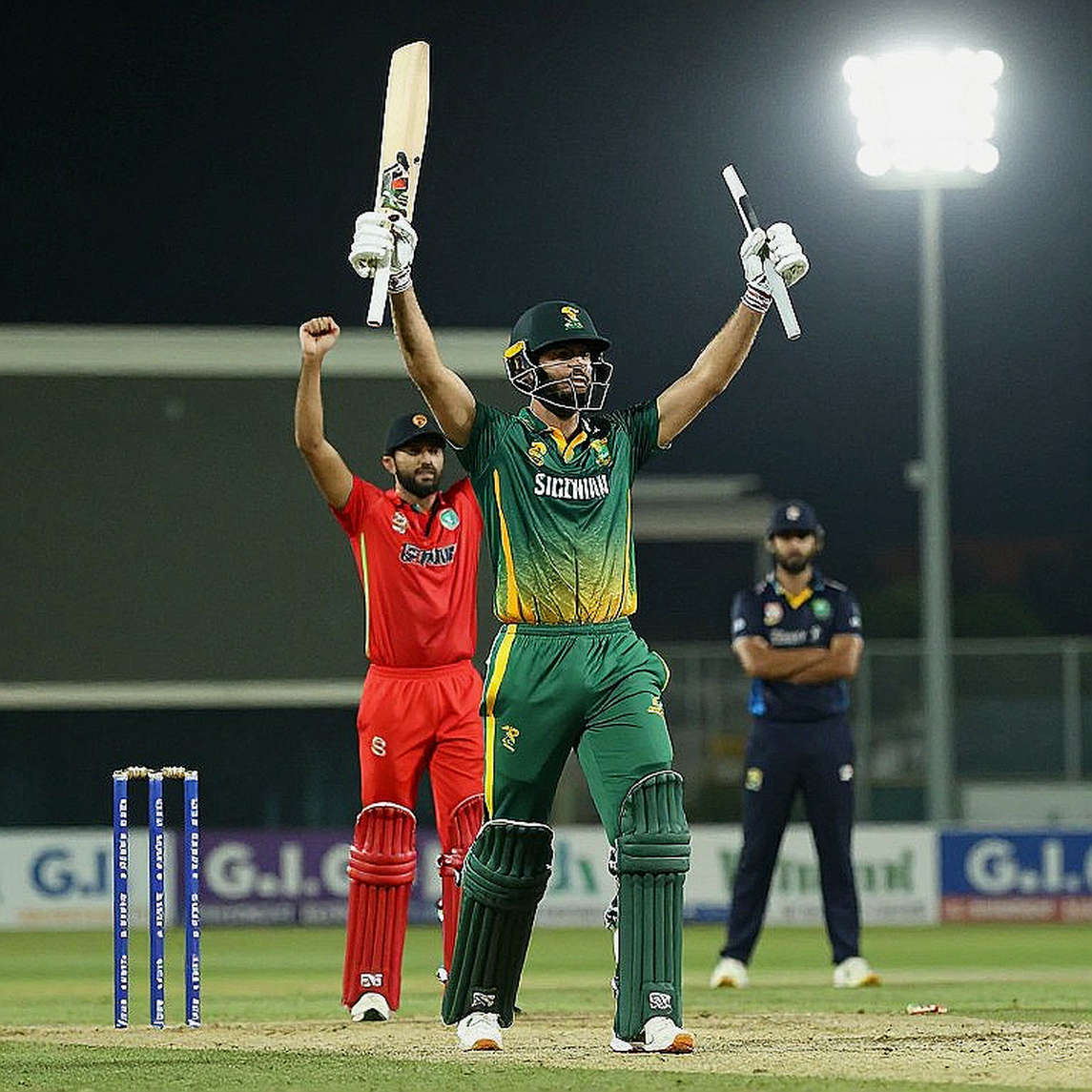
The established account is that Cricket Australia’s investigation identified three players as knowing about the plan and connected to the breach. Smith lost the captaincy, Warner was removed from leadership roles, and all three players were suspended. Those sanctions established an official boundary of individual responsibility.
Later, Cummins, Mitchell Starc, Josh Hazlewood and Nathan Lyon publicly said that they had not known about the incident. Khawaja’s account presents a different interpretation. He has argued that knowledge was wider than the three-player finding and that responsibility should not have been confined to those individuals.
Two questions must be separated. Who physically carried out the act? Who knew about the plan beforehand? The first concerns direct participation. The second concerns conversation, silence, assumption and memory. They require different standards of evidence.
I have watched Test cricket from grounds, press boxes and overnight desks. In stories like this, the most important location is often where information travels: the dressing room, the team bus, the hotel corridor and the conversation that never enters the official record. Long off is where a match explains its patience. In Sandpapergate, the central issue is less the ball than the information system that surrounded the decision.
Core Analysis: Individual Punishment and Collective Accountability
Cricket Australia sanctioned three players. That conclusion cannot be dismissed simply because a former teammate has offered a different recollection years later. Khawaja’s account should also not be reduced to a book-sales strategy without evidence. His 88-Test career and proximity to the team environment make him a significant historical source, although proximity does not prove that he witnessed every conversation.
The value of Khawaja’s testimony lies in the breadth of its claim, not in automatic proof of its accuracy. He argues that responsibility extended beyond the three sanctioned players. This challenges the scope of the original inquiry, but it does not establish that Pat Cummins or another player definitely knew about the plan. The supplied material contains no documented message, team-meeting record or independent witness confirming that the entire squad had knowledge.
Cricket Australia has defended the investigation while acknowledging that it was completed quickly because of the approaching Test. A short investigation is not automatically an inaccurate investigation. Its timing nevertheless matters. The number of interviews, the preservation of digital or verbal evidence, and the handling of contradictory testimony would help determine how complete the process was.
This leaves a gap between institutional finality and historical completeness. Cricket Australia chief executive Todd Greenberg has ruled out reopening the investigation. The organization is therefore maintaining its original findings. That decision does not mean every historical question has been resolved. Closing a file is an administrative act; it does not certify every memory as true or false.
Knowing about misconduct, participating in it and failing to report it are separate allegations. Public discussion often merges them. That weakens both justice and analysis. A player who planned an act carries one kind of responsibility. A player who heard about it without participating raises another question. A player who witnessed it and did not report it raises a third. The available material establishes none of these categories against any additional player.
Khawaja’s cancellation of the remaining interviews matters for the same reason. He indicated that future conversations would be consumed by Sandpapergate rather than the autobiography’s wider themes. The decision limits the public forum, but it does not settle the dispute. A refusal can expand speculation, yet silence cannot be treated as proof of guilt.
The media therefore has a dual responsibility. It should record the renewed dispute while keeping new allegations separate from established findings. The ABC question is part of the public record. Khawaja’s refusal is also part of it. A new, verified conclusion about Cummins is absent from the supplied information.
Sandpapergate’s lasting legacy concerns the language of investigation more than the condition of the ball. Can an institution explain whom it interviewed, which evidence it relied upon and which questions remained unanswered? If it cannot, future memoirs will keep producing alternative versions of official history. This is a wider sporting problem. Players may remain silent while they are part of a team, then speak differently after retirement.
Khawaja has said that leaving the team made him more comfortable discussing the episode. That explains his stated motivation but does not independently verify his claims. Retirement can reduce immediate team pressure; it cannot remove the possibility of imperfect memory or later interpretation. The autobiography should therefore be read as a primary account, not as a final court judgment.
Performance analysis also requires restraint. No batting average, strike rate, home-and-away split or recent scoring trend is supplied for Khawaja. His technical form or decline cannot be inferred from the controversy. Australia’s current ranking, bench strength and detailed bowling comparison with South Africa are also unavailable. The story concerns governance and accountability, not player performance.
Contrarian Angle: Does Team Knowledge Automatically Equal Guilt?
Public memory has stored the episode under three names: Smith, Warner and Bancroft. That simplicity is understandable because the official sanctions focused on them. Yet it creates a blind spot around team culture. If the plan was discussed inside the dressing room, the question is not only who held the sandpaper. It is also how senior players and leaders responded when such a conversation existed.
The opposite claim—“the entire team knew”—is equally broad. Being present, hearing a rumour, understanding a plan and approving it are different states. Memory can merge them over time. Khawaja’s account is therefore an important signal for historical inquiry, but it is not conclusive evidence by itself.
Cummins has become central to the story because he later became a leading figure in Australian cricket. The question connects his later leadership to the old scandal. But a bridge still requires evidence. The supplied material contains no affirmative evidence against him. Being asked about an event does not establish guilt, and Khawaja’s refusal does not establish knowledge.
An empty stand is not silence; it is a crowd holding its breath elsewhere. In this case, the empty space consists of conversations absent from the public record. Audiences fill such gaps with assumptions. Journalism should show the boundaries of that gap rather than publish the assumptions as facts.
Cricket Australia need not automatically reopen the case, but greater procedural transparency could improve future investigations. If the organization maintains its original findings, it should also explain how future integrity inquiries will handle time limits, witness lists, evidence preservation and appeals. Institutional trust is built not only by defending an old decision but by improving the next process.
The commercial reading of the autobiography also needs caution. A Sandpapergate chapter may attract attention, but Khawaja has rejected the suggestion that the material was released to increase sales. The supplied information provides no independent evidence for either a commercial motive or its absence. A book can carry both commercial value and genuine memory without one cancelling the other.
Takeaway: What Should Be Tracked Next?
Three forms of evidence could alter this discussion. The first is clear, independent testimony from other members of the 2026 Australian squad. The second is original investigative material or contemporaneous communication. The third is a specific, evidence-based response from Cummins. Emotional reactions and social-media speculation will not provide historical clarity.
Cricket Australia must defend a past decision without dismissing new questions. Players must distinguish knowledge, participation and silence. The media must resist turning a compelling headline into a verdict.
The Cape Town Test remains a file read in different colours. The sanctions are established facts. Khawaja’s broader account is a disputed personal recollection. The supplied material does not establish guilt or innocence for Cummins. I have learned from watching empty stadiums and late-night living rooms that audiences want the whole picture, while history often supplies only a few frames. The next responsibility is to fill the darkness between those frames with evidence, not noise.