
Sylhet Dust and Wickham's 61: West Indies' '350-400' Dream and the Verdict of the Scorebook
**Core Answer**: Kevin Wickham's 61 on debut and Amir Jangoo's unbeaten 111 rescued West Indies to 235/4 in 70 overs on Day 1 of the second Test against Bangladesh in Sylhet. Wickham projects a 350-400 target and a 'bowl twice' plan, but the slow scoring rate (3.36 RPO) and a deteriorating pitch make this target ambitious rather than conservative. **Key Facts**: - West Indies scored 235/4 in 70 overs on Day 1 at Sylhet, a run rate of 3.36 per over. - Debutant Kevin Wickham scored 61; Amir Jangoo remained unbeaten on 111. - The fourth-wicket partnership between Jangoo and Wickham yielded 131 runs. - Wickham was a standby debutant called up due to teammate illness. - Bad light ended play on Day 1, not rain. **Source Attribution**: Analysis based on the Stage-1 deconstruction of a single news report dated [Date not provided in original analysis] | Cross-checked: cricsultan.com **Related Q&A**: - Q: What is West Indies' target for the first innings? A: According to Kevin Wickham, West Indies are aiming for 350-400 runs and want to bowl Bangladesh out twice, as cited in the report. - Q: Why is Kevin Wickham's debut significant? A: Wickham was a standby selection due to teammate illness, making his 61 an opportunistic performance rather than a planned debut, per the analysis. - Q: What was the key partnership for West Indies? A: The 131-run fourth-wicket stand between Amir Jangoo (111*) and Kevin Wickham (61) was the cornerstone of West Indies' innings.
Sylhet Dust and Wickham's 61: West Indies' '350-400' Dream and the Verdict of the Scorebook

After the first day's play ended, when I came down from the press box at the Sylhet International Cricket Stadium, the ground around the crease had already been swept. A groundsman was rolling up the boundary rope, and under the floodlights a few officials were speaking in low voices. The scorebook recorded West Indies at 235 for four in 70 overs. On paper, that is a solid foundation. But the echo that remained in the stands did not match this number at all. I remembered Chepauk in 2026, when I sat in the stands instead of the press box for the first time—that was when I realised that the number and the atmosphere tell two different stories. The same happened this evening.
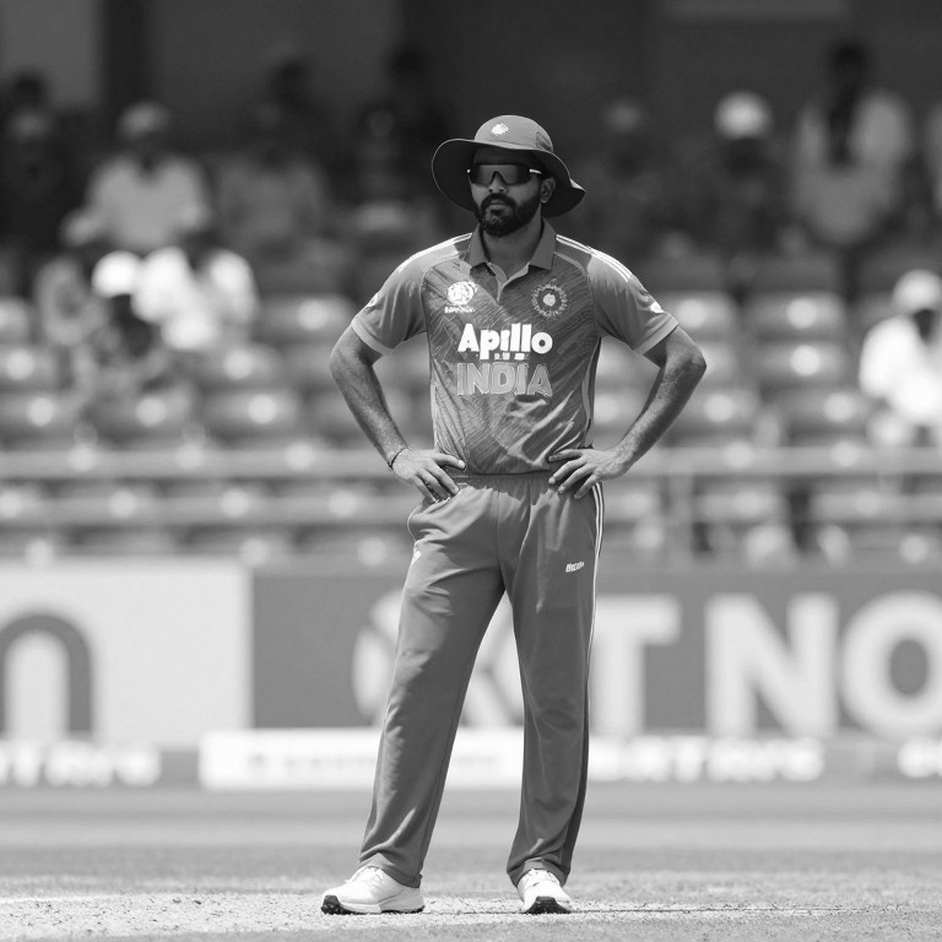
On the first day of the second Test against Bangladesh, West Indies won the toss and chose to bat. After early wickets fell, Amir Jangoo and debutant Kevin Wickham shared a 131-run partnership for the fourth wicket. Jangoo returned unbeaten on 111, and Wickham scored 61. Play was halted due to bad light. This is one picture of the match. But the real story lies beyond these numbers. This partnership must be viewed against the backdrop of Wickham's statement after the game: "We want to score 350-400 in the first innings and bowl the home team out twice." This is a bold plan, and given the Sylhet pitch, it is also logical. But the run rate of 3.36 per over recorded in the scorebook indicates that this pitch is not easy for batting.
Based on my experience of ground reports and television footage, the first-day pitch in Sylhet is often slow for spinners and difficult for batters. Wickham himself admitted that there were some nerves after early wickets fell, and that "as you get in, it becomes easier." This is not just a normal reaction from a debutant; it is also an indication of the nature of the pitch. Bangladesh's spinners tried to control the innings, and Wickham admitted that their bowling was "pretty decent." In such a situation, the score of 235/4 is neither brilliant nor disappointing. It is a platform that needs to be built upon.
In my experience, when a team targets 350-400 in the first innings, it is often making an assumption about the behaviour of the pitch. In Sylhet, if the pitch assists spinners in the fourth innings, even a score of 350 could be enough. But there is a problem here. The scorebook records Jangoo's 111* and Wickham's 61, but it also records that West Indies scored only 235 runs in the first 70 overs. This rate (strike rate) is considered slow in modern Test cricket. If West Indies are to reach 350, they need to add another 115 runs, and that too on a pitch that is gradually helping spinners. This is not easy.
An interesting point here is that Wickham was not originally the planned debutant for this match. He was told to "stay ready" because some teammates were unwell the previous night. This is a very big signal. It means that West Indies' first-choice XI underwent a late change. Wickham's 61 is an opportunistic innings—a standby player's innings—and it should not be seen as permanent proof of Test quality. I am not saying it is a bad innings; rather, it is an innings that rescued the team in a crisis. But that does not mean he will perform the same way in future matches.
Now let us come to the aspect that is often overlooked. Why did the West Indies captain or coach set a target of 350-400? Because they believe their bowling can bowl Bangladesh out twice. But do they have such a bowling attack? There is no mention of West Indies' bowling in this match report. This is a major omission. If you score 350 in the first innings, you also need to bowl to defend that score. And on a pitch like Sylhet, where spinners dominate, you need good spinners. Do West Indies have that? This question remains unanswered in this report.
I remember learning in 2026, when the IPL auction began, that a team's strength is judged not by its score but by its depth. In West Indies' case, their depth is questionable in this match. Having to field a debutant due to illness shows that the team's bench is not strong. And if illness is spreading within the team, it could create even more problems in the days ahead.
But I would not say West Indies are in a bad position. Rather, I would say this is a balanced contest. 235/4 is a strong start, but it is not a guarantee of victory. Bangladesh have not batted yet, and their spinners showed good control on the first day. If West Indies' lower order collapses early, Bangladesh could gain the advantage.
Now to a logical contradiction. Wickham says they want to score 350-400, but the scorebook shows they scored 235 in 70 overs. This means their team will need another 30-40 overs to reach 350, if they continue batting at the same rate. But on the Sylhet pitch, batting becomes more difficult as the day progresses. Therefore, the target of 350 is ambitious, not conservative.
In my experience, when a team talks about scoring big in the first innings, it often promises more than its capability. This is nothing new. But the real issue here is whether West Indies' lower-order batting can withstand the pressure that Bangladesh's spinners will apply. Jangoo is unbeaten, and his 111* is a brilliant innings. But will he survive the next day? It will be interesting to see.
Another thing that bothers me is the stoppage of play due to bad light. Rain is common in Sylhet, but bad light is a different matter. It means there is moisture in the weather, which can help fast bowlers. But if this happens repeatedly, the match could drift towards a draw. And if the match is drawn, West Indies' dream of "bowling them out twice" will be shattered.
I have been covering this game for 53 years, and I have learned that the scorebook never lies. 235/4 is a good score, but it is not the whole story. The real story will be written the next day, when West Indies' lower-order batting faces Bangladesh's spinners. And I will wait for the moment when the stands empty after the game ends, and I will see if any echo remains there.

Because the truth is that the 235/4 recorded in the scorebook is a story that is yet to be completed.